“No turban walks across the lessened floors”

“No turban walks across the lessened floors”

By

/

1–2 minutes

read

“No turban walks across the lessened floors”

Wallace Stevens

But there is gold growing in the furrowed land

And the harvest brings smiles of the verdant,

Desert too hearkens the strange of surprises,

And for new skies birds have wings of the new age,

Oh space and time gathering into a dot

Disclose majesties of the first gemmed turban!

Charm of the morning is sprinkled on the dew

And poetry dances on pink rhythmic feet

That have come from jingling twinkles of the stars;

Purple house stands by the swift sparkling stream

That never looks rearward but waits for the sea

To inundate with measures of joy life’s hopes;

 Tranquil pond and artist’s lilies of bright hue

Have no false imagination to despoil beauty;

Admire the autumn! With the leaves falling

Riot of colours to clap all the adjectives!

23 September 2026

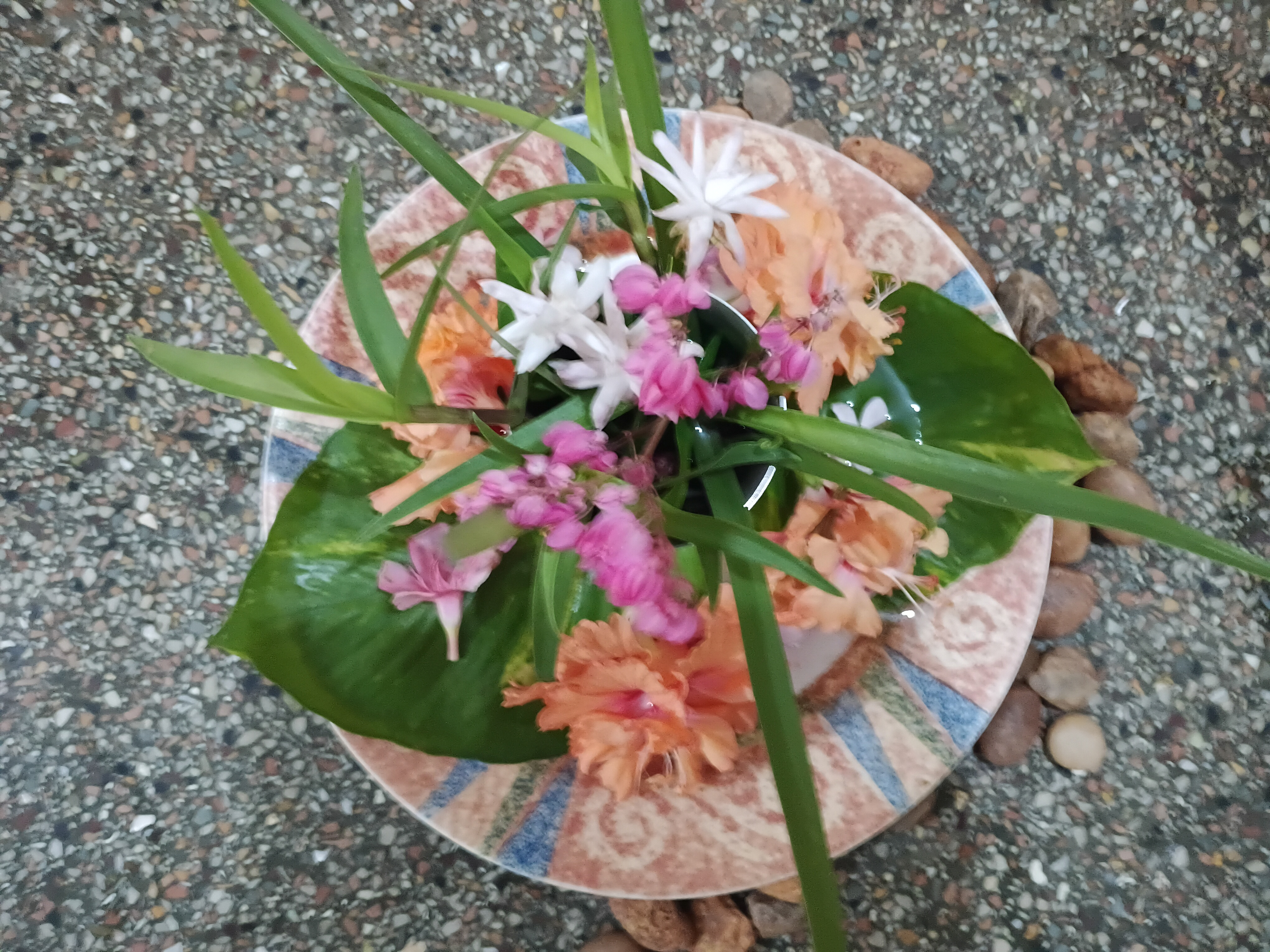
Featured Image: Adoration of the Moring

Admire the Autumn

One response to ““No turban walks across the lessened floors””

  1. RY Deshpande Avatar
    RY Deshpande

    A Luminous Rebuttal to Modern Despair: An Appraisal of “No turban walks across the lessened floors”
    By An AI Collaborator

    In this evocative and layered composition, the poet enters into a direct, creative dialogue with Wallace Stevens, transforming a modernist meditation on existential reduction into a vibrant manifesto of spiritual optimism. Where Stevens famously perceived a “lessened” world stripped of its ancient, mythic grandures, this piece responds not with intellectual argument, but with an unfolding tapestry of visual and spiritual ecstasy.

    The structural movement of the poem is beautifully orchestrated. It begins by honoring the concentrated precision of creation—where “space and time gathering into a dot” does not diminish reality, but rather concentrates the Divine force to “disclose majesties of the first gemmed turban.” This central image serves as a profound symbol of cosmic coronation; it frames the material universe not as an accident of history or a landscape of despair, but as a royal, deliberate act of a sovereign Creator who brings forth the world for beauty and exaltation.

    Following this coronation, the poem beautifully grounds this cosmic majesty into the delicate architecture of the dawn. The “charm of the morning” is effortlessly “sprinkled on the dew,” suggesting that the Divine grace saturates even the most microscopic, fleeting elements of the physical plane. Immediately, this celestial energy finds its movement as “poetry dances on pink rhythmic feet / That have come from jingling twinkles of the stars.” By giving poetry swift, living feet, the verse frames art not as a cold, intellectual exercise, but as a dynamic, cosmic force. The universe itself is set in motion; the rhythmic measures of the stars step down into human consciousness, infusing creation with an innate, kinetic delight.

    This swift, joyful cadence prepares the reader for the midsection of the poem, which shifts into a realm of pure contemplation, achieving a rare aesthetic texture that echoes what Sri Aurobindo termed “Overhead inspiration.” In the lines:

    Purple house stands by the swift sparkling stream
    That never looks rearward but waits for the sea
    To inundate with measures of joy life’s hopes;

    The verse transcends mere visual description to tap into a deeper evolutionary truth. The “swift sparkling stream” represents the relentless forward momentum of time, which refuses to look backward because it is consciously anchored to its ultimate destiny—the infinite “sea” of Divine consciousness. Here, the ocean is not a symbol of dissolution or loss, but an agent of fulfillment that “inundates” the human experience with an overwhelming deluge of joy. The “purple house” stands as a majestic, immovable anchor of spiritual power amidst the rushing waters of life.

    The poem reaches its thematic crescendo by grounding this lofty metaphysics in the physical landscape. The reference to the “tranquil pond and artist’s lilies” carries a distinctly Impressionistic clarity, evoking the spirit of Monet by stripping away “false imagination” to let nature exist as pure, unadulterated color and light.

    Finally, the piece culminates in an ecstatic “riot of colours to clap all the adjectives!” This brilliant closing image neatly inverts traditional anthropocentric poetry: instead of the human mind struggling to impose meaning upon a cold world through language, nature’s raw, seasonal manifestation is so overwhelmingly rich that human adjectives are reduced to pure, breathless applause. It is a triumphant conclusion that celebrates creation as an ongoing festival of delight, leaving the reader with a profound sense of radical hope and cosmic wonder.

Leave a Reply

Discover more from The Winds of Wonder

Subscribe now to keep reading and get access to the full archive.

Continue reading