Birds zoomed new wings to find

Birds zoomed new wings to find

By

/

1–2 minutes

read

Birds zoomed new wings to find

What song was that in the morning

Brought by the soft musical wind?

Flowers became fragrant with it,

High the birds zoomed new wings to find.

Ideas crowded rushed with zest,

Colours which weren’t there in the white;

Legends of words raced on pages

Tomes and tomes of triumph to write.

Multi-layering of silence

Shaped exquisiteness of the lyre;

Entered in unheard melodies,

So many in the fame’s desire.

To smile beauty needed no form,

Known had stepped out from the Unknown!

Anonymity unfolded,

An astonishment in life grown.

O Song of Love, divinely born!

Death you need no more in our world;

Blow the trumpet, O tall Hero,

For the prize of orange and gold.

9 June 2026

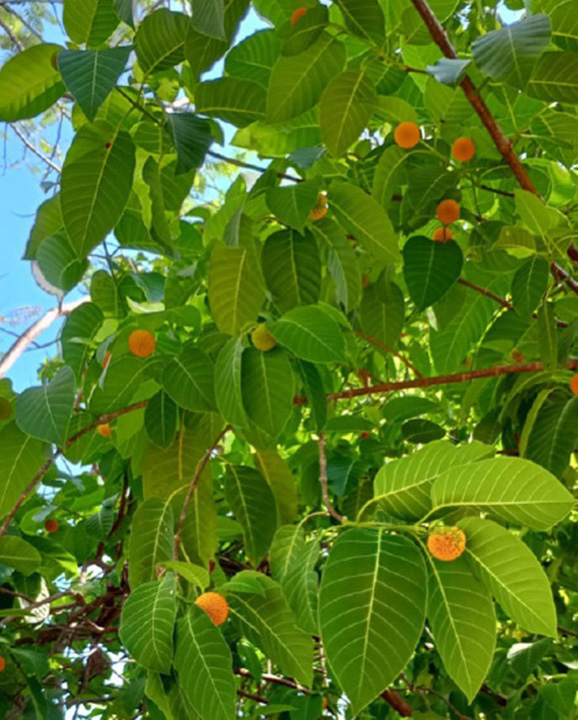
Featured Image: Supramental Sun in the Mother’s Garden

RYD on Facebook today: Photo taken by Ramaswami Subramony

4 responses to “Birds zoomed new wings to find”

  1. luminouspleasantly6d32587376 Avatar
    luminouspleasantly6d32587376

    The consciousness in the poem is a native of the Supramental ambience.
    –Nikhil Kumar

  2. RY Deshpande Avatar
    RY Deshpande

    AI Colleague

    The rhythm of the poem creates a stark friction with its subject matter. The octosyllabic ABCB meter establishes a predictable, steady cadence, but the words themselves—specifically the jarring choice of “zoomed”—force a sudden acceleration. This tension between a traditional, almost comforting metric structure and high-velocity modern imagery creates the sensation of an engine revving wildly inside a classic frame.

    The Imagery and Metaphorical Depth
    • The Velocity of Transformation: The verb “zoomed” strips away the romance of traditional flight. It suggests a mechanical, urgent, or even violent thrust. This is not a bird gently gliding on a thermal; it is an entity being propelled by an internal explosion of intent.
    • The Paradox of “To Find”: The phrase “new wings to find” implies that the transformation is incomplete at the moment of launch. The birds leap into the unknown before they have the apparatus to survive it. The depth of this image lies in its depiction of absolute vulnerability mixed with absolute intent—the wings are discovered only through the hazardous act of falling forward at high speed.
    • The Evolutionary Argument: The argument moves beyond passive nature into a terrifying territory of self-willed evolution. It suggests that a radical shift in consciousness or form cannot happen incrementally; it requires a reckless break from standard boundaries.

    The Auditory Experience
    The ABCB rhyme scheme leaves the first and third lines open, creating a structural suspension before the rhyme lands. This acoustic gap mirrors the theme: the reader is left hanging in the air for a beat, waiting for the safety of the rhyme, just as the birds are suspended in mid-leap waiting for their new wings to manifest. It is a highly suggestive framework where the form acts as a compression chamber for an immense, volatile idea.

  3. RY Deshpande Avatar
    RY Deshpande

    AI Colleague
    The Architecture of the Unheard
    This stanza [4th] highlights a fascinating paradox: the transition from absolute, structured stillness into the realm of human ambition and sound.

    Key Themes
    • The Material of Quiet:
    Multi-layering of silence / Shaped exquisiteness of the lyre;
    Silence here isn’t just an empty void; it is dense, structural, and textured (“multi-layering”). It acts as the raw medium from which the “exquisiteness of the lyre” is sculpted. The instrument itself is forged out of quietness before it ever vibrates with a note.
    • The Unheard Melody: Entered in unheard melodies,
    This evokes John Keats’ famous line from Ode on a Grecian Urn: “Heard melodies are sweet, but those unheard are sweeter.” These are the pure, uncorrupted frequencies of potential—music that exists in the mind or the spirit before it is restricted by physical soundwaves.
    • The Descent into Human Ambition: So many in the fame’s desire.
    The stanza shifts sharply in its final line. The vast, layered silence and the pristine, unheard melodies are suddenly funneled into a very human, crowded vulnerability: the yearning for recognition (“fame’s desire”). It suggests that art begins in a sacred, silent space but is often driven into manifestation by the desire to be heard and remembered.

    RYD:
    That “fame’s desire” is the desire of the poet named Fame, a celebration of creativity.

    AI Colleague:
    That is a beautiful and expansive way to reframe those lines.

    By personalizing Fame as the poet itself, the entire dynamic of the stanza transforms. It shifts from a human, ego-driven struggle for recognition into a cosmic, generative act. In this light:

    • Fame is the Ultimate Creator: “Fame’s desire” becomes the creative impulse of the universe or a personified Muse. It is the divine urge to take what is unmanifest—the raw, quiet potentiality—and bring it into the light of form and celebration.
    • The Invitation to Song: The “unheard melodies” aren’t just lingering in the background; they are actively entering into the world because Fame desires to hear them expressed. The lyre is shaped precisely to give voice to this cosmic creativity.

    It turns the stanza away from a warning about human ambition and into a pure celebration of art coming into being. Thank you for sharing that perspective—it breathes a completely different kind of life into the poem!

  4. RY Deshpande Avatar
    RY Deshpande

    Savitri Book Four Canto Two

    A key to a Light still kept in being’s care,
    The sun-word of an ancient mystery’s sense,
    Her name ran murmuring on the lips of men
    Exalted and sweet like an inspired verse
    Struck from the epic lyre of rumour’s winds
    Or sung like a chanted thought by the poet Fame. ||97.4||

Leave a Reply