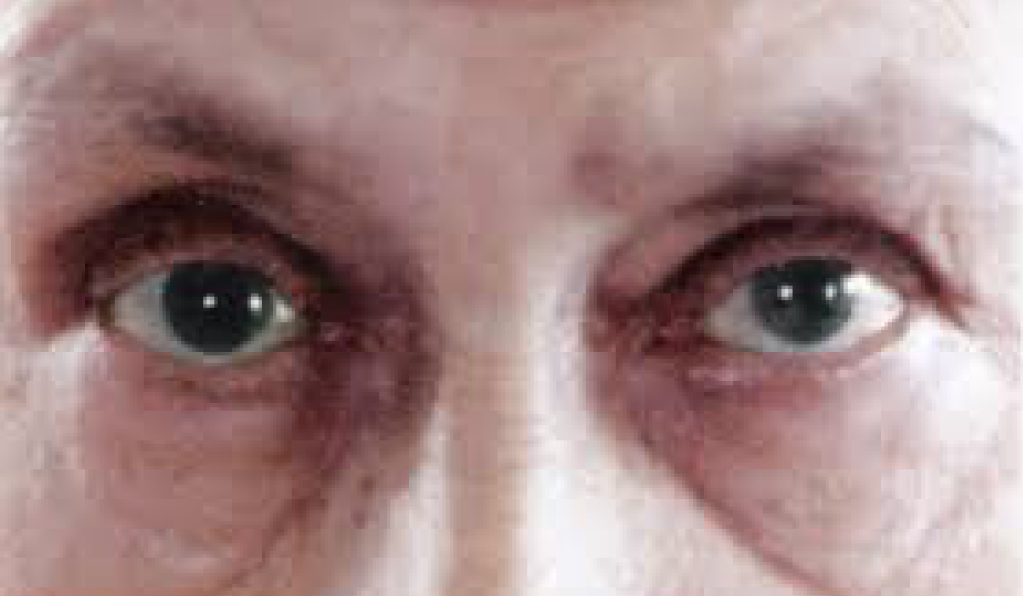
04: Scribbled Notes — Two tranquil eyes
The One he worshipped was within him now:
Flame-pure, ethereal-tressed a mighty Face
Appeared and lips moved by immortal words;
Lids, wisdom’s leaves, drooped over rapture’s orbs. ||89.10||
A marble monument of ponderings, shone
A forehead, sight’s crypt, and large like ocean’s gaze
Towards Heaven two tranquil eyes of boundless thought
Looked into man’s and saw the god to come. ||89.11||
A shape was seen on threshold Mind, a Voice
Absolute and wise in the heart’s chambers spoke:
“O Son of Strength who climbst creation’s peaks,
No soul is thy companion in the light;
Alone thou standest at the eternal doors.” ||89.12||
These lines are at the beginning of Book Three Canto Four, The Vision and the Boon in Savitri. Yogi Aswapati is in the transcendental House of the Spirit and everything in him, even the very physical, sends a “voiceless prayer to the Unknown”, that in adoration mystical asking to the “far-off fount of light and love” her coming for earth and men; “This was the fiery point that called her now.” Coming from her “unattainable home”, in the Unknowable, she is going to meet Aswapati on the “threshold Mind”, meet with her “voice absolute and wise”.
Her appearance, with the full preparation to grant a Boon to the Yogi, is an assurance of the coming of the God. Yet a prayer, an insistent imploration and a compelling entreaty has to go to her. She is very ready to grant what is pleaded for. She may even make a proposal, she may give a word of advice and caution, but she can also leave a choice for the aspirant to have his preference. In that case, a tremendously great and weighty responsibility rests entirely with the seeker-and-requester. It is a serious matter, an extremely crucial matter determining the future. That needs intense fiery determined yogic sadhana as to what to pray for, born of his deepest soul and the mission for which it is here. In fact, Aswapati is carrying with him the “world’s desire” to her and he is not going to be distracted, unfocused, from his wonderful central objective of approaching her. Finally, making a luminously powerful proposal he gets it. He alone stands at the eternal door and is very particular, specific, as to what to ask her.
If there has to be that coming of the god, then, Aswapati knows, she must enter into mortal birth, she must fill one moment with her eternity, must let her infinity live in one body. Let that great word be spoken, he beseeches her. And she consents, “One shall descend”, One, she herself, coming from her far-off unattainable home.
This “god” will come only when Death goes away Death goes away. And it is she who alone can do that. A voiceless prayer had gone to the Unknowable. Not only that; it had listened the footsteps of its hopes. It waited for the fiat of the Word that comes from the Supreme.
His prayer sank down in the resisting Night
Oppressed by the thousand forces that deny,
As if too weak to climb to the Supreme. ||91.1||
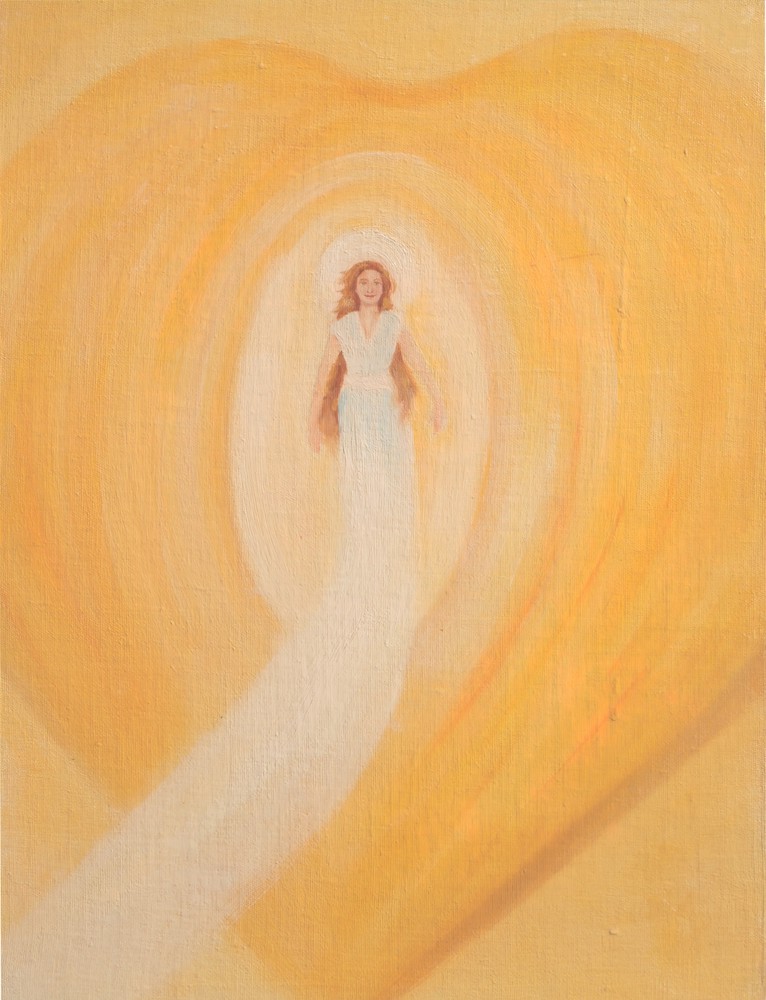
But there arose a wide consenting Voice;
The spirit of beauty was revealed in sound:
Light floated round the marvellous Vision’s brow
And on her lips the Immortal’s joy took shape. ||91.2||
She tells: “I have heard thy cry, One shall descend and break the iron Law.” Death’s Rule is that Iron Law. It shall happen in “Death’s tremendous hour”.
For the Aurobindonians that Death’s tremendous hour is 1.25 am 5 December 1950.
15 March 2026
Savitri Book 3 Canto 4 – The Vision and the Boon
O strong forerunner, I have heard thy cry. ||91.3||
One shall descend and break the iron Law,
Change Nature’s doom by the lone Spirit’s power. ||91.4||
O strong| fore+run|+ner, I| have heard| thy cry.|
One shall| de+scend| and break| the i|+ron Law,|
Change Na|+ture’s doom| by the| lone Spir|+it’s pow+er.|
The last line with two spondees and an amphibrach has a tremendous force to bring about that booned change. It is not “shall change”; it is the imperative “change”.
Painting by Huta

 The Winds of Wonder
Leave a reply to sylviekabir Cancel reply